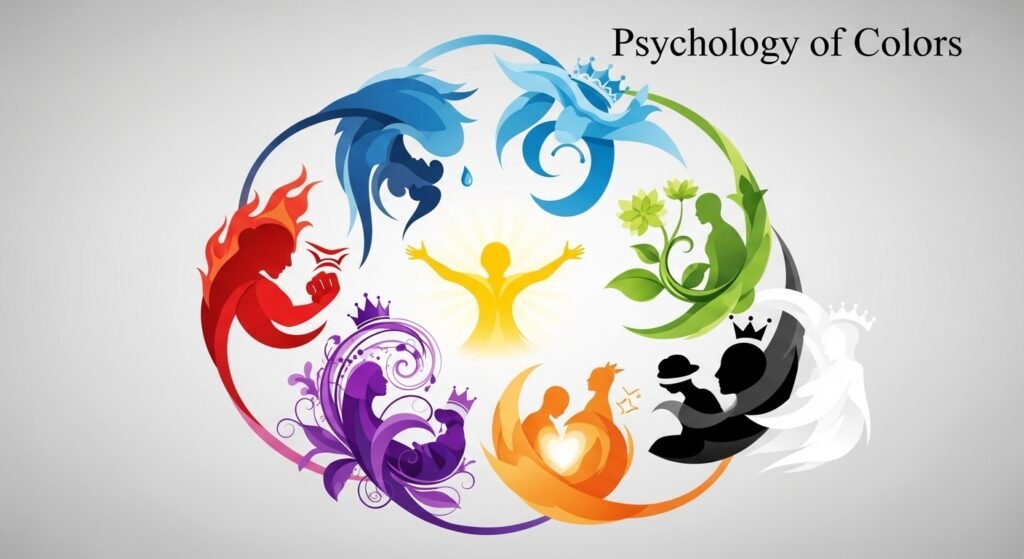
Psychology of Colors: Emotions, Behavior & Decision Making
Colors play a vital role in our lives, subtly influencing our emotions, decisions, and perceptions. Whether we realize it or not, the psychology of colors affects everything from branding to interior design, fashion, and marketing. Understanding how colors impact us can unlock powerful strategies for personal, professional, and marketing success. In this comprehensive article, we will explore the psychology of colors, their emotional impact, and how they can be applied effectively in various fields.
What is Color Psychology?
Color psychology is the study of how different colors affect human emotions, behaviors, and cognitive functions. Each color evokes specific feelings and associations, influencing how we perceive our surroundings and make decisions. However, this powerful psychological influence extends beyond aesthetics, influencing everything from the products we purchase to the ambiance of a room or the mood we’re in.
Understanding color psychology helps brands, businesses, and individuals use color to create the right atmosphere, evoke particular emotions, or drive specific actions. Whether it’s a marketing campaign, product packaging, or even a corporate logo, color choice is not random—it’s strategic.
How Colors Affect Emotions and Behavior
Colors trigger specific psychological and emotional responses. The association between colors and emotions is deeply rooted in our culture, biology, and personal experiences. Let’s dive into the most common colors and their psychological impact:
Red: Power, Passion, and Urgency
Red is often seen as the color of passion, love, and power. It can evoke feelings of excitement, urgency, and intensity. In addition, this is why red is commonly used in clearance sales or to grab attention in advertisements. Meanwhile, red can energize and inspire action, it can also create feelings of anger or aggression if overused.
Blue: Calm, Trust, and Professionalism
Blue is known for its calming effect. It’s often used in corporate logos, healthcare settings, and professional environments to convey trust, stability, and security. Blue lowers heart rates and has a calming influence on the mind, making it a perfect choice for businesses that want to establish credibility and professionalism.
Yellow: Optimism, Creativity, and Happiness
Yellow is associated with joy, warmth, and energy. It stimulates creativity and can boost mood and optimism. However, if used excessively, it can lead to anxiety and frustration. Yellow is often used to attract attention, making it a great choice for warning signs or promotional material.
Green: Growth, Balance, and Relaxation
Green symbolizes growth, renewal, and balance. It’s a color often associated with nature, tranquility, and health. Green has a soothing and calming effect on the mind, making it an ideal color for spaces where relaxation and focus are desired, such as offices and living rooms. It also promotes harmony and well-being.
Orange: Enthusiasm, Energy, and Fun
Orange blends the energy of red with the happiness of yellow. It conveys enthusiasm, warmth, and excitement. In addition, orange is used to create a sense of fun and encourages social interaction, which is why it’s often used in marketing for products related to adventure, youth, and creativity.
Purple: Luxury, Wisdom, and Mystery
Purple is traditionally associated with royalty, luxury, and wealth. It also conveys wisdom, dignity, and mystery. This color can inspire creativity and spirituality, making it an ideal choice for high-end brands, beauty products, and creative endeavors.
Black: Sophistication, Elegance, and Power
Black is a powerful color that communicates sophistication, elegance, and authority. It can add a sense of mystery or exclusivity, which is why it’s often used in high-end fashion and luxury items. Black can be both formal and rebellious, making it a versatile and timeless choice in various industries.
White: Purity, Simplicity, and Cleanliness
White symbolizes purity, clarity, and simplicity. Moreover, it represents a clean slate and new beginnings. In design, white is often used as a neutral background that allows other colors to stand out. It’s associated with innocence and can evoke a sense of peace and calm.
The Role of Colors in Branding and Marketing
In the competitive world of branding, color can make or break a business. The right color scheme can attract customers, convey brand values, and create a lasting impression. However, here’s how colors are strategically used in marketing and branding:
Emotional Branding
When businesses use color thoughtfully, they can evoke the right emotions to influence purchasing decisions. For example, the color red is commonly used in fast food chains like McDonald’s and Coca-Cola to stimulate appetite and energy. Blue is often seen in financial services, such as PayPal or American Express, to evoke trust and reliability.
Consumer Perception
Color affects how consumers perceive a product or service. Studies show that 85% of a product’s visual appeal comes from its color. However, brands like Tiffany & Co. use a signature blue that represents exclusivity and luxury. Similarly, green in Whole Foods’ logo emphasizes the company’s commitment to sustainability and health.
Cultural Associations
Colors can have different meanings in different cultures. While white is associated with purity and weddings in Western cultures, in some Eastern cultures, white symbolizes mourning and funerals. Therefore, it’s important for businesses to consider the cultural context of color when marketing globally.
Color Impact in Interior Design
In interior design, color is an essential tool for setting the mood and functionality of a space. Whether you’re designing a home, office, or retail space, the color choices you make can significantly impact the atmosphere.
Living Rooms and Bedrooms
In living spaces, such as living rooms and bedrooms, warmer colors like beige, brown, and soft yellows are often used to create a welcoming and comfortable environment. For bedrooms, cool blues and greens are ideal, as they promote relaxation and a peaceful sleep environment.
Offices and Workspaces
For office spaces, shades of blue and green are commonly used to encourage productivity and focus. Light colors like white and cream can create a clean and spacious feel, while darker tones like navy blue or charcoal grey can evoke professionalism and sophistication.
Retail Spaces
Retailers use colors to influence buying behavior. Bright colors like red, yellow, and orange are often used in stores to catch customers’ attention and encourage impulse purchases. In addition, Blue and green are used to create trust and relaxation, perfect for clothing stores or places selling beauty products.
The Influence of Colors in Fashion
Color is one of the most important elements in fashion, influencing trends and helping people express their personalities. The psychology of color plays a significant role in how we feel when we wear certain colors.
Black for Elegance and Power
Black is a staple in fashion due to its versatile nature. A black dress or suit exudes sophistication, power, and elegance. It’s a color that remains timeless in fashion, and it can easily be dressed up or down depending on the occasion.
Bold Colors for Confidence
Bright and bold colors like red, orange, and yellow are often worn by individuals who want to make a statement. These colors express confidence, energy, and creativity, making them popular in both casual and formal wear for those looking to stand out.
Neutral Tones for Subtlety
Neutral colors like beige, white, and grey are often seen in professional or minimalist fashion styles. They are versatile and can be easily combined with other colors. Moreover, neutral tones can create a sense of calm and balance, often used in workplace settings for their understated elegance.
How to Choose the Right Color for Your Business
Choosing the right color for your business can significantly affect how your brand is perceived. Here are some tips to help you make the best color choices:
-
Understand Your Target Audience: Research the demographics, preferences, and emotional triggers of your target market.
-
Align Colors with Your Brand Values: Your brand’s values and message should be reflected in your color choices. For example, green for sustainability or blue for trust.
-
Consider Color Psychology: Refer to color psychology principles to select colors that evoke the desired emotions and behaviors.
-
Consistency is Key: Use consistent colors across all platforms to build brand recognition and reinforce your identity.
Conclusion: Leveraging the Power of Colors
The psychology of colors is a powerful tool that can shape our emotions, behaviors, and decisions. Whether you’re designing a brand, choosing colors for a room, or picking out clothes, understanding how different colors affect us can help you create the desired impact. However, by choosing the right color palette, you can influence perceptions, foster trust, and create memorable experiences for your audience.
Ready to unlock the potential of colors for your brand or personal projects? Take the first step in choosing the perfect color scheme today, and watch how it transforms the way people interact with your brand or environment!